


“Global maritime stakeholders convene at Tema Port to accelerate greener shipping, improve port efficiency and advance digital port call optimisation across West Africa.”
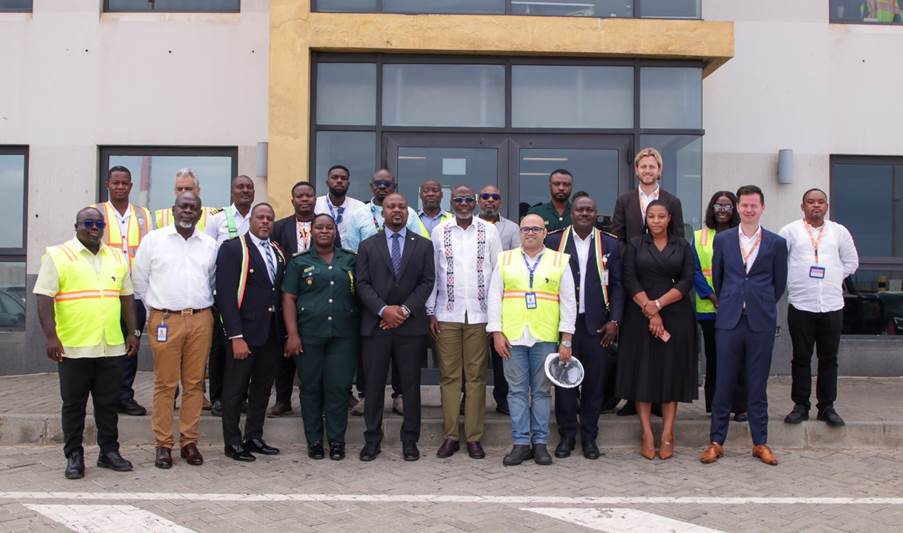
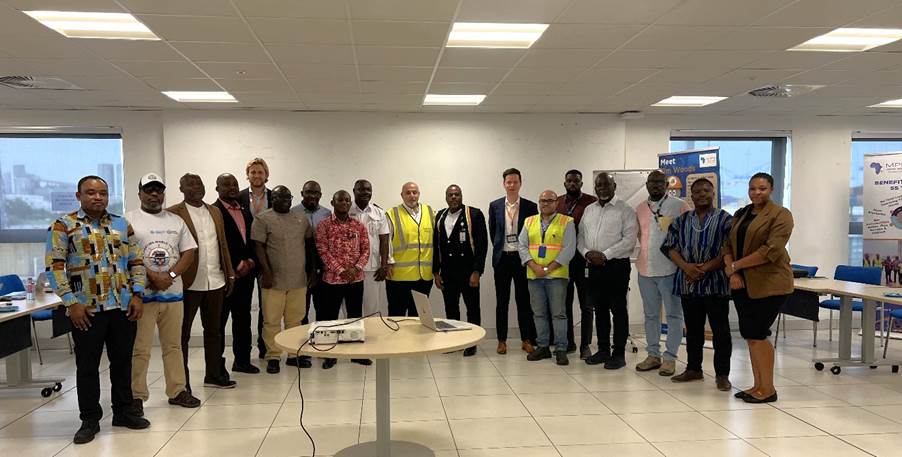
Meridian Port Services Ltd. (MPS) has hosted a high-level three-day multi-stakeholder workshop on Just-In-Time (JIT) Port Call Optimisation (PCO), bringing together the International Maritime Organization (International Maritime Organization), the Ghana Ports and Harbours Authority (Ghana Ports and Harbours Authority), the Ghana Maritime Authority (Ghana Maritime Authority), the Ghana Revenue Authority – Customs Division, leading global shipping lines and key maritime stakeholders at the Port of Tema.
The workshop forms part of the IMO–Norway GreenVoyage2050 Programme, a flagship international initiative aimed at supporting countries in reducing greenhouse gas (GHG) emissions from international shipping while improving operational efficiency, digital integration and sustainability across the maritime sector.
The Chief Operations Officer of MPS, Mr. Mahmoud Ayoub, welcomed the institutional representatives and emphasized MPS’s dedication to promoting an efficient vessel turnaround process at the port.
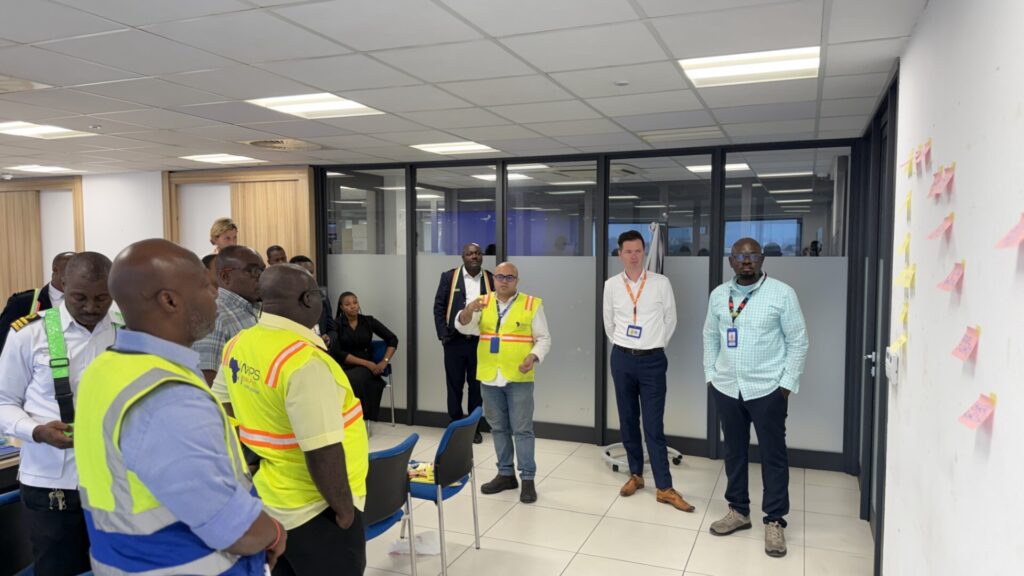
“With a focused and collaborative approach to this clearly defined scope, we believe there is a strong opportunity to enhance process efficiency. We remain confident that, working together, we can achieve tangible improvements and further strengthen Tema Port’s positioning among the leading and most competitive ports globally.” Mr. Ayoub said.
Advancing Ghana’s Maritime Decarbonisation Agenda
Opening the workshop, the Director General of the Ghana Maritime Authority, Mr. Kamal-Deen Ali, reaffirmed Ghana’s commitment to global climate action and sustainable maritime development. He noted that under the leadership of His Excellency President John Dramani Mahama, Ghana has aligned its development agenda with the Paris Agreement by prioritising sustainable energy and pursuing a long-term ambition of achieving net-zero emissions by 2070.

He further highlighted Ghana’s designation as a partner country under the GreenVoyage2050 Programme, with ongoing development of a National Action Plan to reduce emissions from shipping, supported by the IMO and international maritime partners.
Just-In-Time: A Shift in Global Port Operations
A central focus of the workshop was the implementation of Just-In-Time arrival systems, which enable vessels to optimise their speed to match berth availability, reducing unnecessary waiting time at anchorage.
By improving real-time coordination and data exchange between ports, shipping lines and service providers, JIT operations are expected to deliver significant benefits, including:
- Reduced greenhouse gas emissions
- Lower fuel consumption
- Improved berth utilisation
- Faster and more predictable vessel turnaround times
- Enhanced overall port efficiency
Participants also examined existing port call processes, identified operational bottlenecks and explored data-driven solutions to support the future piloting of JIT and broader Port Call Optimisation initiatives at Tema Port, with potential scalability across West Africa.
Speaking during the workshop, the IMO representative, Mr. Rob Koggel emphasised that successful implementation of JIT depends on strong cross-sector collaboration, noting that transparent data sharing and operational alignment across the maritime value chain are essential to achieving both environmental and economic benefits.
MPS: Driving Digitalisation and Sustainable Port Operations
As host, MPS reaffirmed its commitment to advancing efficiency, sustainability and digital transformation within the maritime sector. The company highlighted its ongoing investments in operational optimisation and green infrastructure, including the introduction of a structured berthing window system that has significantly improved berth planning and reduced vessel waiting times.
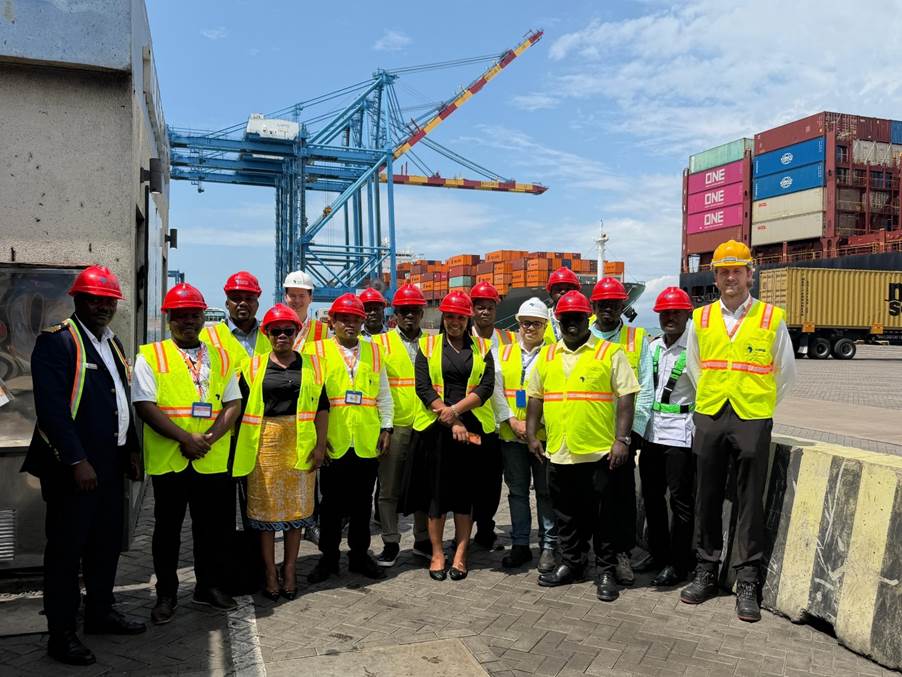
MPS also continues to advance its decarbonisation agenda through the electrification of terminal operations, including the deployment of fully electric gantry cranes and an expanding fleet of electric terminal trucks, supported by renewable energy initiatives across its operations.
CEO Interview: A Regional Vision for Smart and Sustainable Ports
In a media interview held alongside the workshop, MPS Chief Executive Officer, Mr. Mohamed Samara, described Just-In-Time Port Call Optimisation as a transformative step in reshaping maritime logistics across Ghana and the wider West African sub-region.
He explained that JIT represents a fundamental shift from traditional port call models—where vessels often wait at anchorage—to a coordinated, data-driven system that aligns vessel speed with real-time berth availability.
According to him, the benefits extend far beyond operational efficiency, contributing directly to emissions reduction, cost optimisation and improved competitiveness for regional trade.
Key Messages from the CEO
“Just-In-Time is not simply about making ships arrive on time; it is about transforming the entire port ecosystem into a smarter, more coordinated system. Every hour a vessel spends waiting at anchorage represents avoidable emissions, wasted fuel and lost economic value.”
“Digital collaboration and real-time information sharing are the foundation of Port Call Optimisation. When ports, shipping lines, pilots, terminal operators and government agencies operate on a shared operational picture, efficiency improves across the entire value chain.”
“The IMO GreenVoyage2050 Programme provides a critical platform for countries like Ghana to accelerate maritime decarbonisation while improving operational performance. Sustainability and efficiency are no longer competing priorities—they reinforce each other.”
“Tema Port has already demonstrated leadership through investments in modern infrastructure, digital systems and greener terminal operations. Just-In-Time is the next step in our journey towards becoming one of Africa’s most advanced and sustainable ports.”
“For JIT to succeed at scale, it cannot remain a single-port initiative. Its true impact will come when ports across West Africa adopt shared standards and work together to build a connected regional maritime network.”
“Ultimately, the greatest beneficiaries will be trade, cargo owners and consumers. More predictable, efficient and environmentally responsible supply chains strengthen the competitiveness of our economies.”
He concluded by reaffirming MPS’s commitment to working closely with the International Maritime Organization, national authorities and industry stakeholders to advance digitalisation, improve port performance and support the decarbonisation of maritime transport.
Conclusion
The successful conclusion of the workshop marks an important milestone in Ghana’s transition towards a more efficient, digitally integrated and environmentally sustainable maritime sector. It reinforces Tema Port’s growing role as a strategic gateway for West Africa and highlights MPS’s continued leadership in advancing smart port operations, operational excellence and green maritime transformation.
No Comments